Worlds emerging from books
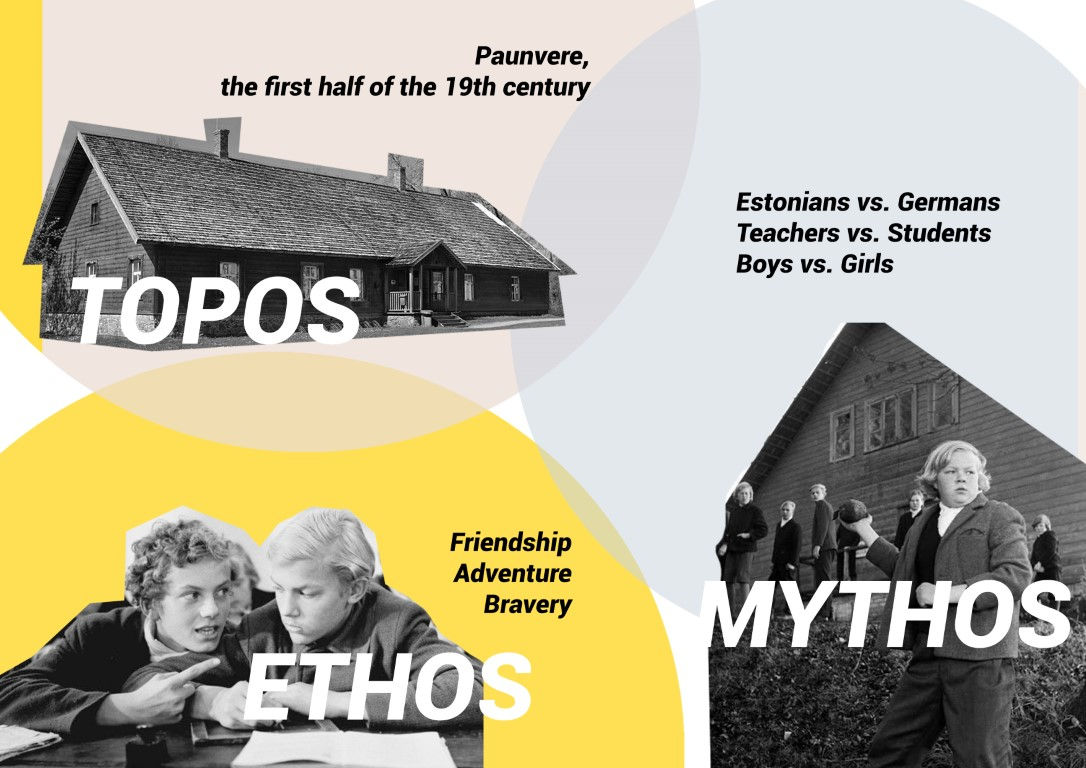
Every artistic text can give rise to multiple re-tellings which form complex and intricate
universes. Some texts become more influential than others: The number of texts inspired by Harry
Potter or Lord of the Rings is almost infinite and goes up every day. What initiates this
process and how can a single text become the foundation for a whole world? In order to
understand this phenomenon, we need to take a look at how culture works.
Every culture employs a variety of languages for mediating meaning, such as the languages of
visual art, music, cinema, and so on. The languages of culture are constantly
repeating the most crucial knowledge. Important texts can be translated in multiple languages:
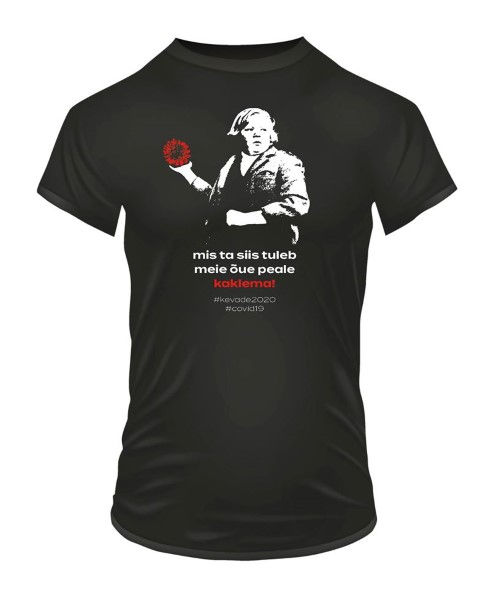
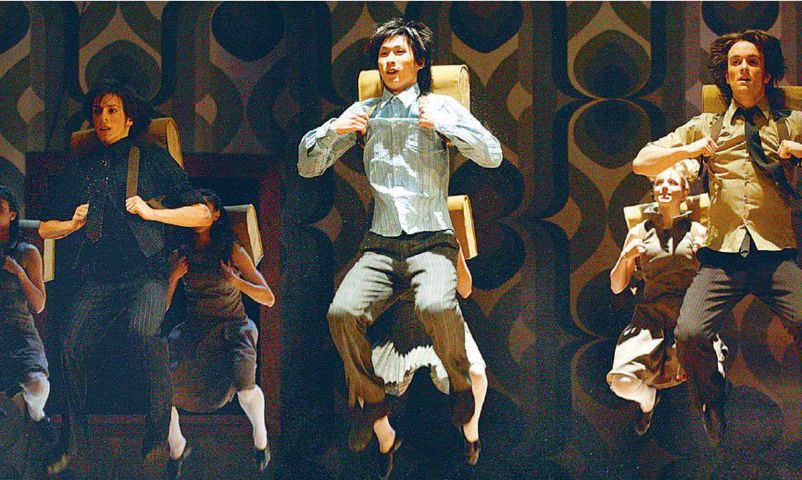
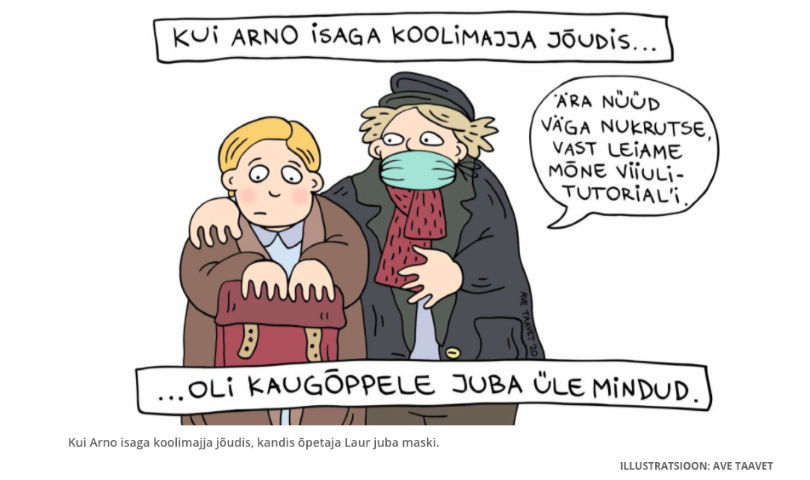
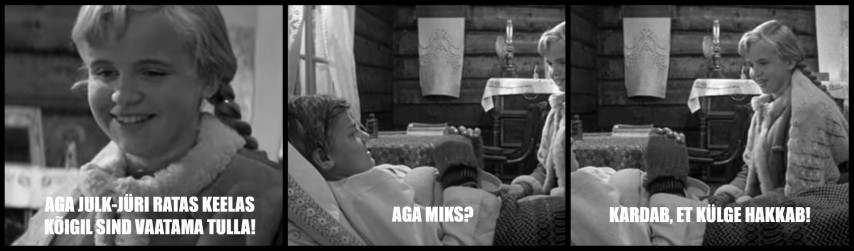
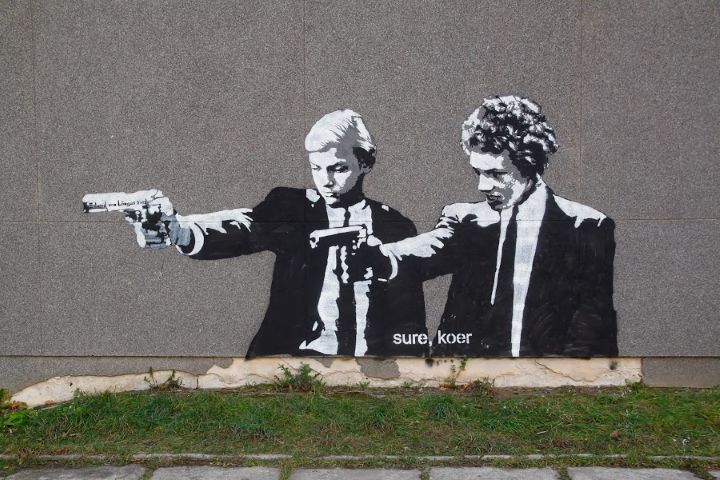
For instance, novels are adapted into movies, comic strips become plots for TV series, cartoons
inspire the creators of video games, etc. Since full translatability between the languages is
never possible, this makes such attempts inexact, unpredictable, and also creative.
The process of translation is affected by numerous factors: cultural background of the author,
artistic traditions, social context. Each translation has a dominant – “the
focusing component of a work of art” that “rules, determines, and transforms the remaining
components” (Jakobson 1997: 6). When the dominant is changed, the peripheral elements of the
text may become more important, whereas the central ones are marginalized. For instance, modern
re-tellings tend to highlight elements of the original which are more relevant to contemporary
times: representation of women and minorities, ecological issues, political problems, and so
forth.